
Humility Unborn

A Quiet Corner
Quiet corners of the mind sometimes contain a tiny bit of humility.
Often they are filled instead with humiliation. When terrible things happen to a child, humiliation is often what we feel. When my dad was three years old, his job was to milk the cows. His family lived in southeastern Colorado in a dugout. They had no money to hire farm hands. That was a huge responsibility for a three year old. Then the dust bowl came. Great waves of dust as high as the sky rolled across the plains, burying everything in sight. My dad’s pet calf was one of them; the calf died of suffocation in the storm.

A Mountain Crushes
At the age of 12, my dad sobbed over the loss of his calf and raised his fist to the heavens in helpless fury. Helpless fury gives way to humiliation. Crushing hopes, crushing dreams, crushing the soul. Humiliation is ruthless. Life awaits the resolution of humiliation.
Humiliation takes us to a very low point. We have to find ways to get out of it. My dad’s ways were industrious, hard work and learning, education. His hands were the hands of a worker. His mind was the mind of a learner. He made a life of educating others. He built houses for his family. He created art for others, jewelry too.
Dad thought everyone was supposed to be his best friend. When they didn’t act that way, we felt the fury and thrall of those childhood humiliations. Afterall, he was a good man. Everything came together for him in a weird sort of way. He laughed at people’s jokes, made a few of his own, was ready with a hammer and tools to help a neighbor or friend. He had more tools than most people every owned. He was a ready listener to the needs of others and quick to make himself handy. Here he followed his dad’s example. His father knew how to transmute suffering into humility rather than humiliation. Dad was supposed to get along with everybody because he was trying to get along with everybody, so when it didn’t happen, all hell broke loose.
Mom was not his best friend, should have been, but wasn’t. She was a fierce woman, with flaming tongue and hatred in her heart, jealousy in her mind, unable to give emotionally. Dad needed someone who could take care of him emotionally, who would be sensitive to his wounds. He needed a work partner, which she was, but he needed an emotional partner far more. Mom didn’t have any idea how to take care of anyone emotionally.
Bellowing Dragons
So they fought. And fought and fought and fought, right to the end of Dad’s life. Dad was persistent. For fifty six years he tried to get Mom to care for him emotionally. In all that time, I never saw her do it. She did not understand the traumas he had been through, nor did she understand how to approach him on difficult issues. Rather she was traumatized by his traumas. She scooped up his fury and thrall and distributed it liberally to the rest of the family and threw it back at him. In doing so she added to his humiliation, and he in turn humiliated her.
When Mom was five, she learned how to fiercely compete with her older sister. She brought these skills into her marriage with Dad. Her sister was shy and retiring. Dad was not. Her competitiveness humiliated him, much the way his mother had so many times humiliated him with her sharp tongue and her relentless abuse. The fury and thrall of his humiliation was his response. So impatient was she with his anger that she threw gasoline on the fire by raging back at him. She wanted him to listen to her and to her alone. She wanted to conquer him and have him be as she wished. Life had already crushed him; he did not need to be conquered. So every issue was a contest.
Dad’s ego got in his way. He could not just listen to her. He needed her agreement. He was infuriated by her competitiveness and lack of agreement. Mom wanted things her way. Dad insisted that they be his way. He humiliated Mom rather than allowing her to humiliate him. There was no way to end this fight without every heart being completely bruised. So the fight continued indefinitely.

Lost in the Sand
To make matters worse, Dad had lost his first wife, my mother. He loved her profoundly and depended upon her dearly. She was his rock. She understood him emotionally and conveyed that to him. She understood his needs and met them. She was the love of his life. Her death to polio crushed him. Mom was jealous of her almost from the start.
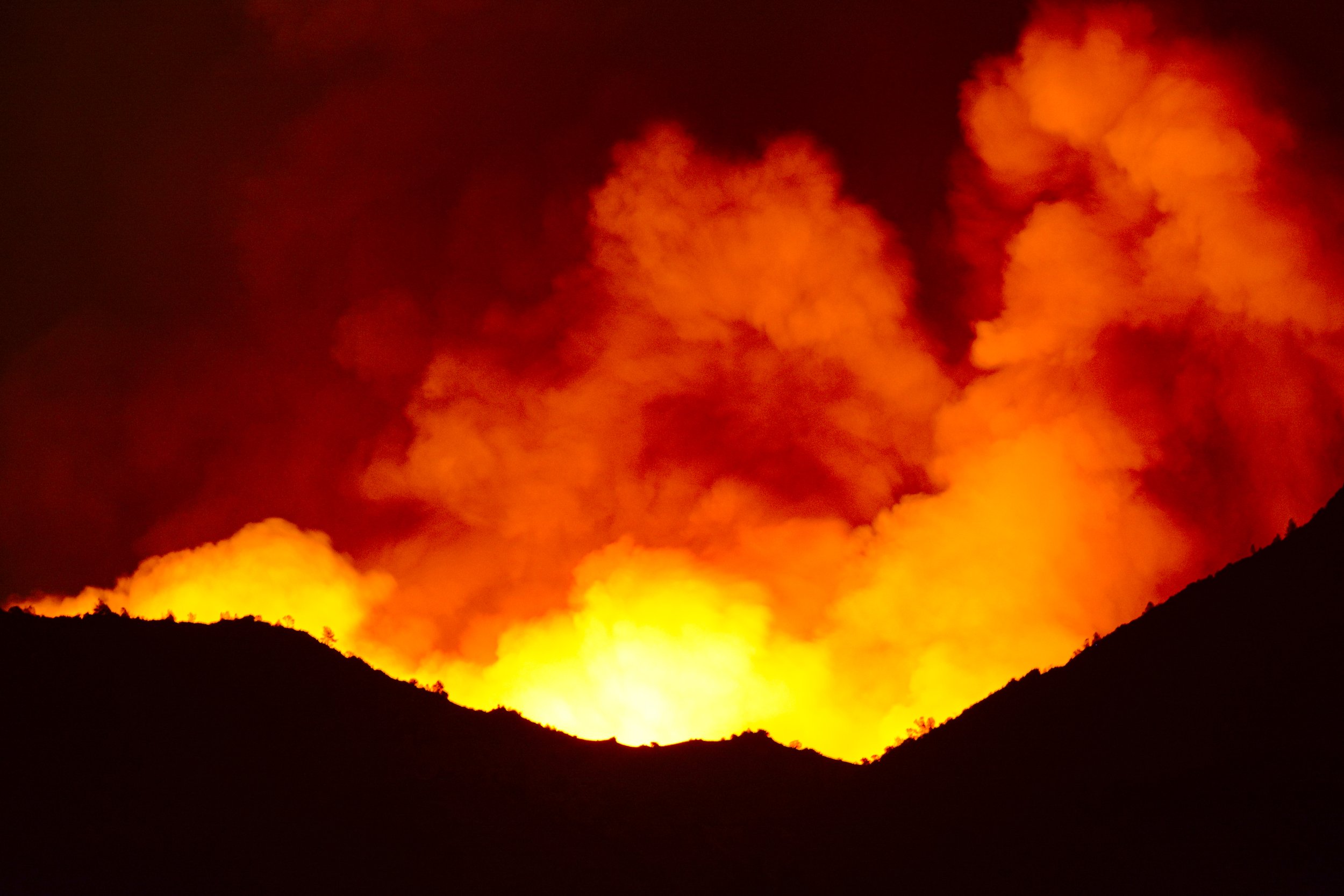
Dad plucked his own heart strings for awhile after my mother died, but that did not work either. He tried to tell Mom that he loved her too, just differently, but he could never get that across to her, across the coals of her childhood traumas. So a firestorm erupted frequently, and it nearly took their lives.
Neither of them could get to a place of humility. Firestorms and thrall increased humiliation.
It takes something else to create humility.
To transmute fury into humility requires that we step back from the fray,
give ourselves permission to be less perfect,
and accept the challenge of working on it going forward.
We have to consider that we might not be right,
that there might be something that we don’t understand.
To transmute thrall into humility, however, requires another step:
we have to be willing to give up control,
to allow the other person to have some power, some control over themselves and the situation.
These are difficult emotional tasks, which is why humility is often left unborn.

Train Station
There were several things that happened in my family growing up, devastating moments for all. One was when Mom threatened to kill herself. We were on a family trip to Europe. At nineteen, I grew impatient with her laborious reading of a train schedule. That’s when she told me that she had been ready to kill herself the night before. Everyone became ill at ease and remained so for the duration of the trip.

Firestorm and Thrall in the Holocaust
Another happened much earlier, when I was about fourteen. Dad found his way to his revolver left over from the war and pulled it out of the drawer. He was at the end of his rope. Mom told him to put it away. My older sister intervened and begged them to please stop fighting. The pleading admonition from his teenage daughter did more to calm him than his wife’s order. He remembered that he had children. The gun went back into the drawer.
Who was he going to kill that night?
The fury and thrall endangered every one of us.
Humility left unborn does that.

A Tree Bends